Punjabi artist Zaahir is redefining the sound and visual identity of Punjabi music with “Meri Thaa’n,” bringing together indie-rock influences, cross-cultural creativity and a cinematic storytelling approach.
Punjabi music continues to find new ways to evolve, and Vancouver-based artist Zaahir is taking an unconventional route with his latest release, “Meri Thaa’n.” Released on 31 August 2026, the track is more than an emotional record about heartbreak and inner conflict. Originally written around 2022, the song went through years of creative development before taking shape as an indie-rock Punjabi production with a distinctive sound and cinematic visual identity. Rather than following the familiar Punjabi music formula, Zaahir chose to embrace experimentation, giving the language and its musical roots a fresh creative direction.
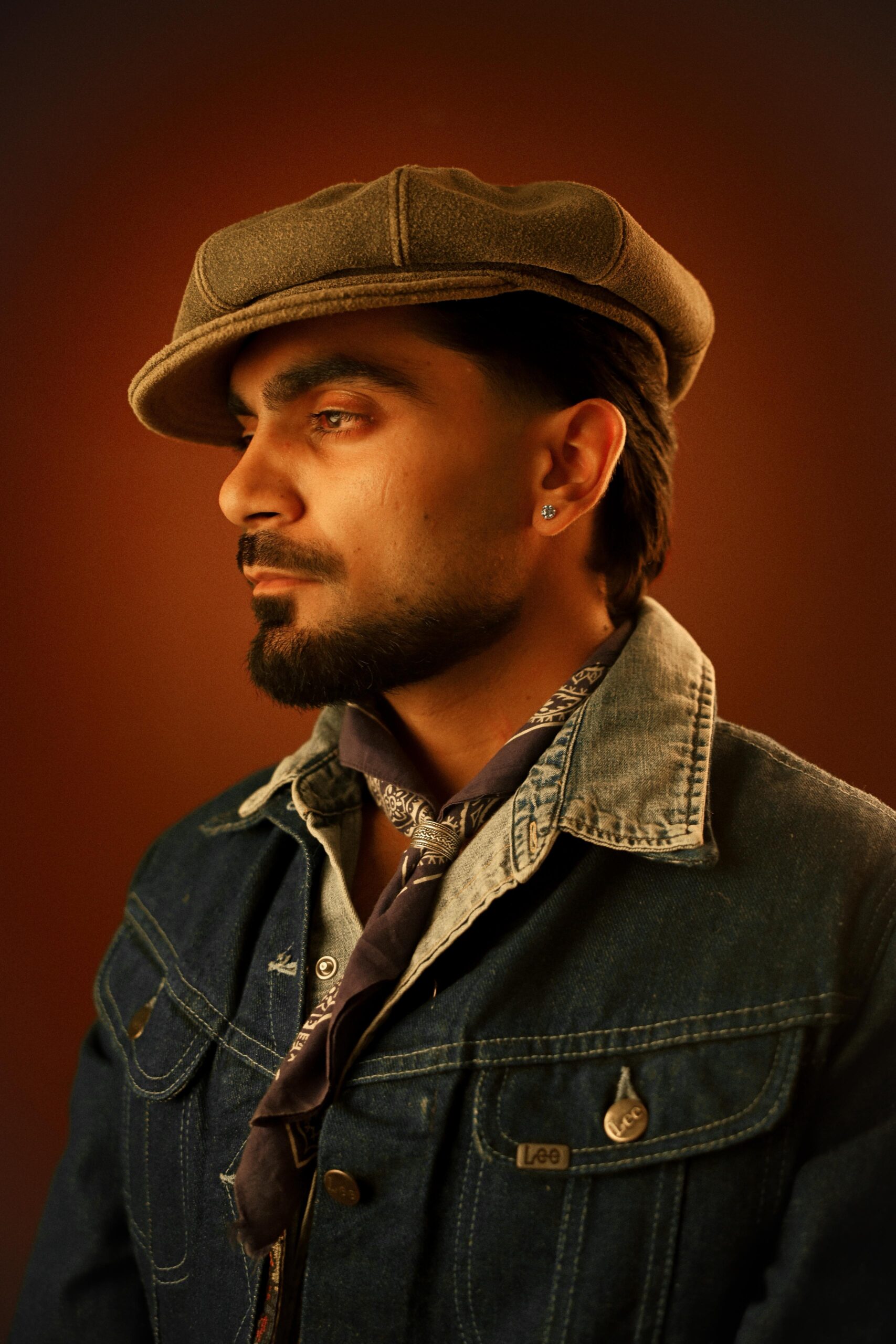
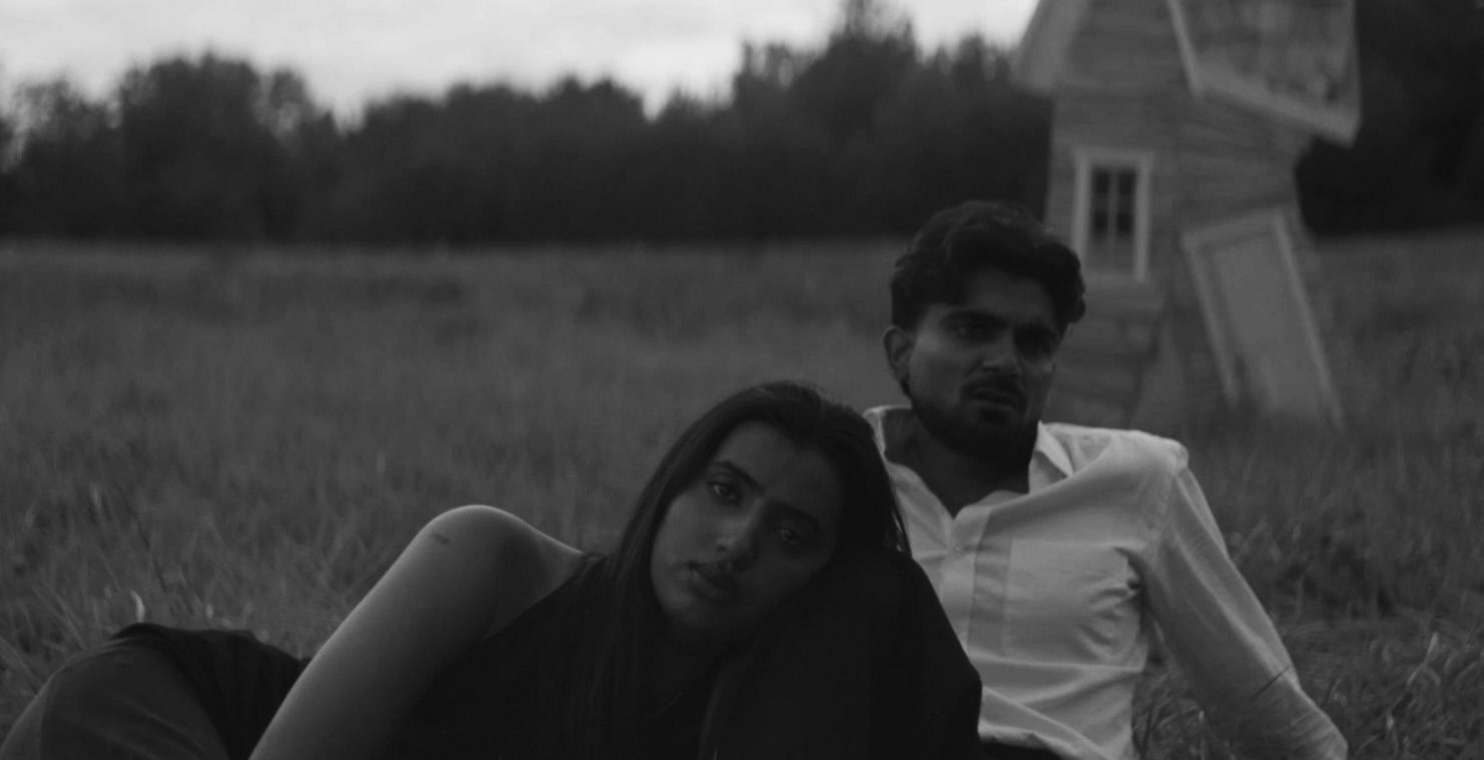
One of the most interesting aspects of “Meri Thaa’n” is the collaboration behind its music video. Director Yaw Obrenu Yamoah, introduced to Zaahir through their mutual friend Abby, immediately connected with the track and envisioned its visual possibilities. His filmmaking experience as a director, writer, actor and model helped shape the project into something beyond a conventional music video. The creative team also incorporated a custom wooden installation designed by Hans Senger, which became a significant part of the video’s distorted, almost dystopian atmosphere. The visual concept explores internal struggles, emotional entanglement and the psychological space between two people, allowing the performances and atmosphere to tell the story without relying on excessive glamour or spectacle.
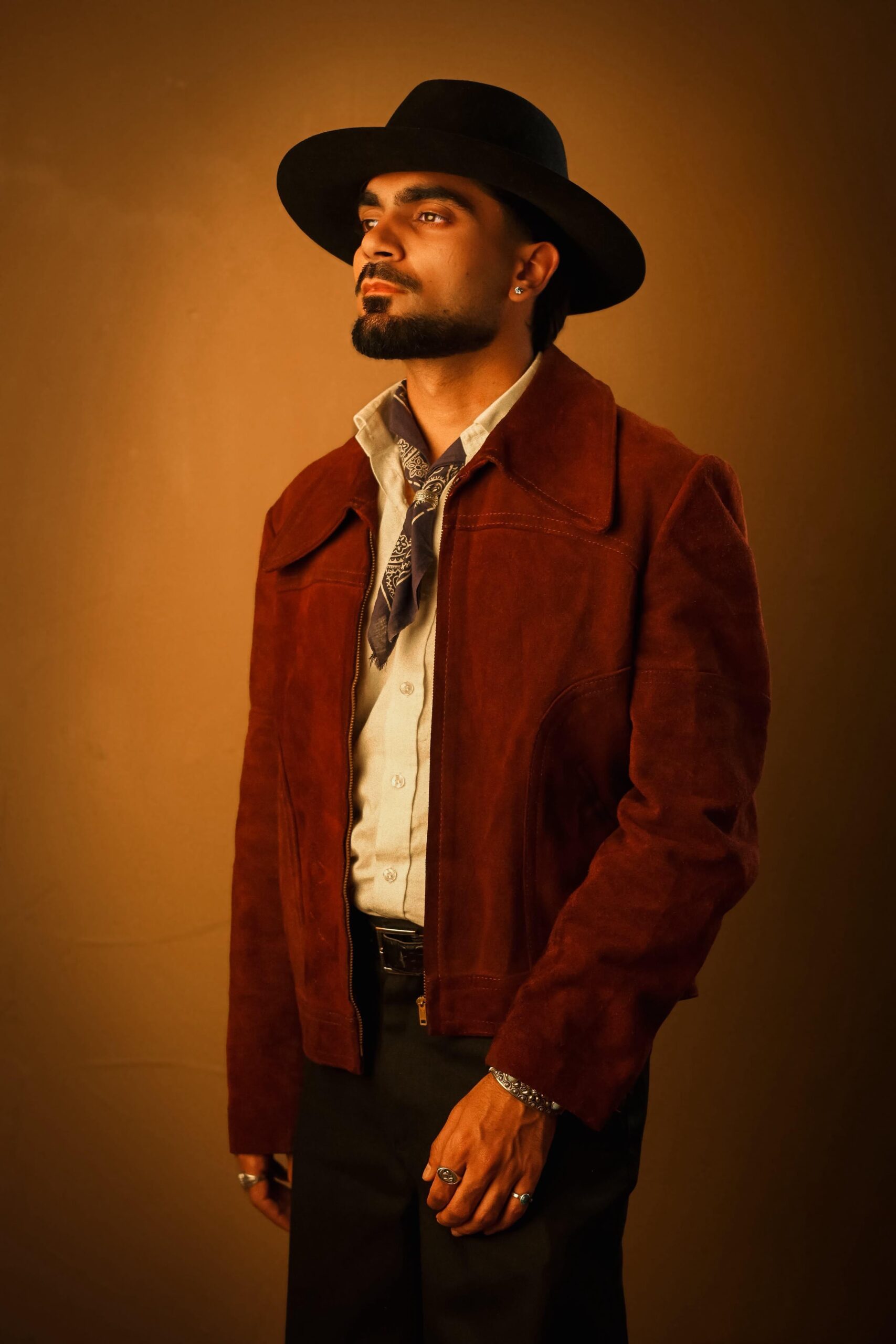
Musically, the record brings together an impressive creative team, including producer Krn Walia, guitarist Timothy Neuhaus, Justin Hicks and the wider production and engineering team. The collaboration also represents something bigger than a musical experiment. Coming from different cultural backgrounds, Zaahir and Yaw found common ground through their shared understanding of cultural expectations, limitations and personal conditioning. Instead of allowing those differences to become barriers, they used art as a common language to build something distinctive.
For Zaahir, the vision is clear: Punjabi music should not be restricted by expectations of how it should sound or look. Building his artistic identity in Vancouver, a city known for its multicultural creative environment, he wants to take Punjabi music into unexplored territory while preserving its emotional depth and cultural identity. With “Meri Thaa’n,” he delivers a strong statement about artistic freedom, international collaboration and the possibilities of Punjabi music on a global stage. The ambition isn’t to move away from Punjabi culture, but to take it somewhere new.