Yo Honey Singh has already secured a commanding presence across some of the world’s biggest digital platforms. From topping Instagram engagement to leading on Spotify, X, and Facebook, the rapper and music producer has built one of the strongest independent audiences in Indian music. Now, attention is shifting toward YouTube, where his next move could have a significant impact on the future of Desi Hip-Hop (DHH).
The development is being viewed as more than just another platform expansion. Within the DHH community, Honey Singh’s independent rise is increasingly being seen as a reflection of how the industry itself is changing. Artists today are no longer relying entirely on traditional label structures to maintain reach and influence. Instead, direct audience connection, social media dominance, and independent digital growth are becoming equally important factors in defining success.
Honey Singh’s presence across platforms has remained consistently strong, helping him maintain visibility in an industry that has become highly competitive in recent years. His ability to attract listeners across streaming services while simultaneously driving conversations on social platforms has placed him in a unique position within Indian hip-hop and commercial music culture.
YouTube, however, carries a different level of significance. For Desi Hip-Hop artists, the platform remains one of the most influential spaces for music discovery, fan engagement, and long-term cultural impact. Independent dominance on YouTube is often associated with complete creative control, direct audience reach, and the ability to shape trends without heavy institutional backing.
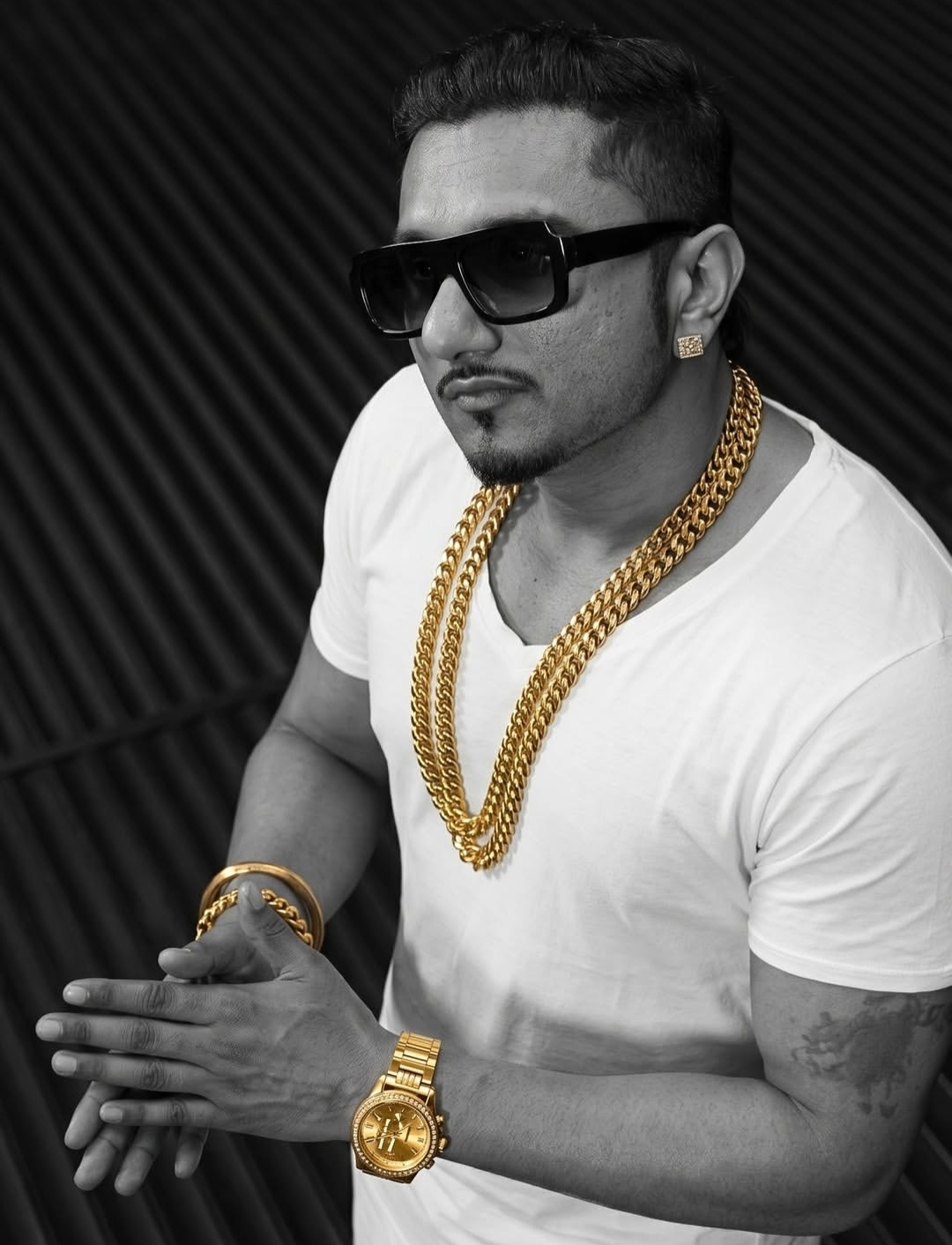
Industry observers believe that if Honey Singh successfully establishes the same level of authority on YouTube independently, it could influence how future DHH artists approach their careers. The move may encourage more musicians to prioritize independent growth models while leveraging personal branding and fan-driven ecosystems over traditional promotional systems.
The conversation around Honey Singh’s independent journey also reflects the larger transformation taking place within India’s hip-hop landscape. Over the last few years, the genre has evolved from a niche urban movement into a mainstream cultural force. Streaming platforms and short-form content have accelerated this transition, allowing artists to build massive followings without depending solely on conventional music industry channels.

Despite increasing competition in the DHH space, Honey Singh continues to remain one of the most recognized names associated with the genre’s commercial growth in India. His digital reach across multiple platforms highlights not only his individual popularity but also the growing influence of hip-hop within the country’s entertainment industry.
As the focus now shifts toward YouTube, the industry will be closely watching how this independent expansion unfolds. If successful, it may not just strengthen Honey Singh’s position further, but also redefine what large-scale independent success can look like for Desi Hip-Hop artists in the years ahead.