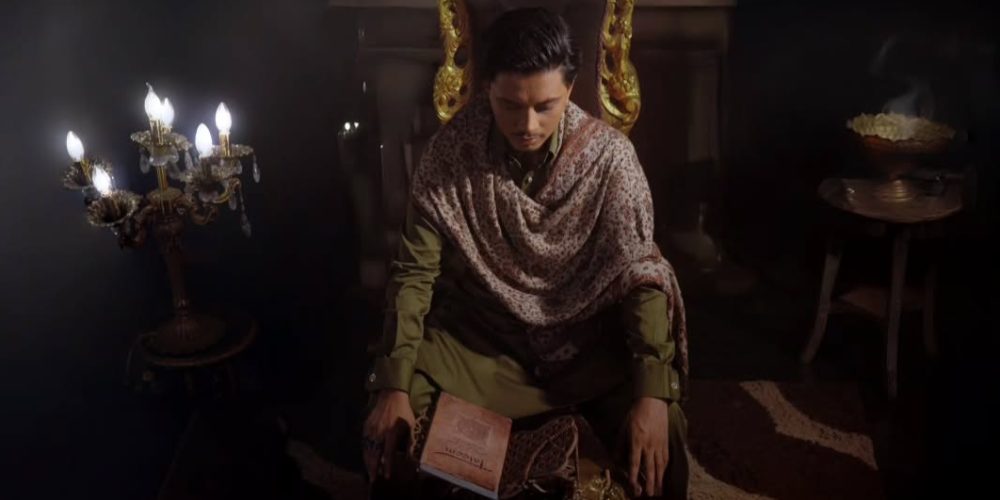
Mumbai’s underground hip-hop scene has long been driven by stories of hustle and survival, but Rashid’s latest EP “Taleem,” released on 9 January 2026, shifts the focus from the grind to inner growth. This six-track Urdu rap project presents more than just music — it unfolds like a curriculum shaped by experience.
Instead of chasing viral moments, Rashid turns inward, blending raw street narratives with the spiritual depth of Sufi thought and the emotional intensity of Qawwali traditions. The result is a body of work rooted in reflection, discipline, and faith.
At its core, Taleem explores knowledge that cannot be learned from books. The EP draws on lessons shaped by struggle, hunger, mistakes, and belief. Rashid traces a journey from youthful chaos toward a grounded sense of purpose, presenting a voice that speaks from lived experience rather than surface-level storytelling.
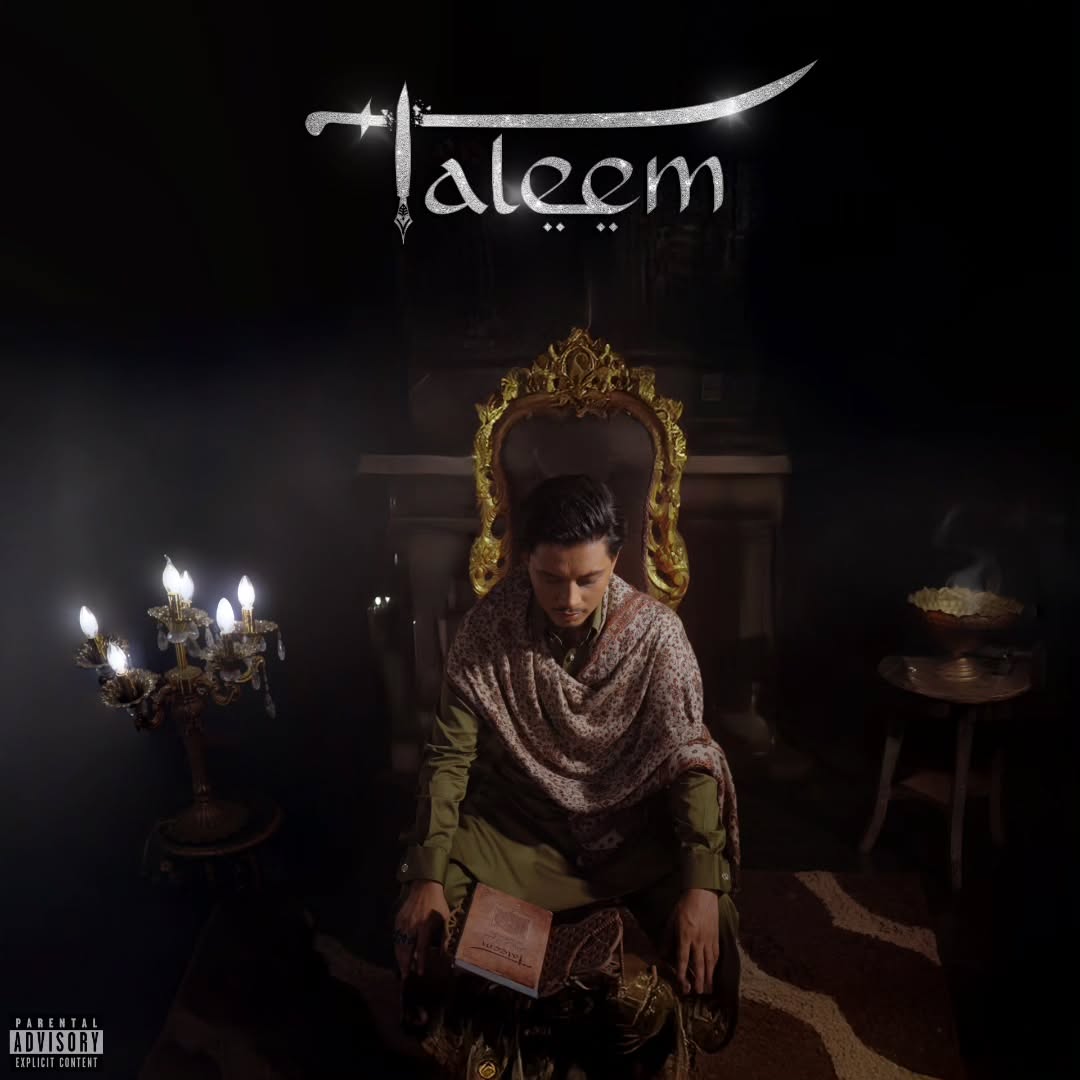
The Sonic Journey
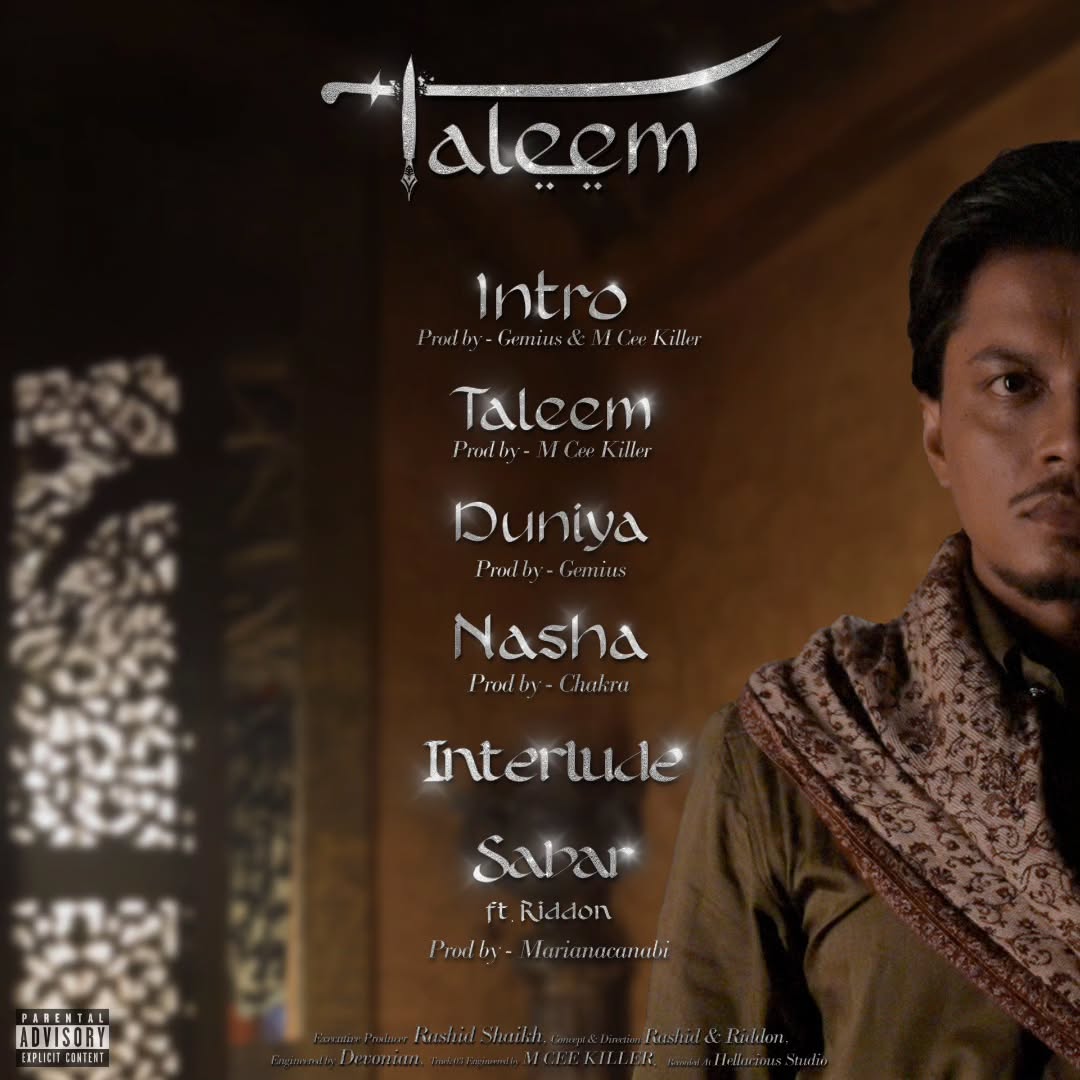
The project begins with “Intro,” a track that sets a contemplative tone. Rashid’s writing is layered with Urdu imagery and cultural references, delivered with patience rather than speed. The focus remains on meaning and atmosphere, inviting listeners into the world he has built.
This leads into the title track “Taleem,” which serves as the conceptual backbone of the EP. Rashid questions the illusion of glamour in the music industry and critiques the growing obsession with material success. The track avoids dramatic posturing and instead relies on calm conviction and authenticity.
Social Commentary and Inner Conflict
As the EP progresses, Rashid expands his perspective beyond personal reflection to broader social observations.
Duniya presents a thoughtful commentary on modern identity. Rashid examines the tension between authenticity and the pressure to present a manufactured version of oneself in an increasingly performative world.
Nasha approaches addiction with stark realism rather than glorification. Rashid portrays substance use as an escape shaped by confusion and social pressure. The track highlights the quiet struggles faced by young people navigating uncertainty and emotional weight.
The Interlude offers a brief but powerful pause in the narrative. Featuring shayari by the late Rahat Indori, the segment carries strong emotional resonance. The verses feel like a moment of confrontation — where accumulated struggles surface and demand recognition.
The Emotional Peak
The emotional center of the EP arrives with “Sabar,” featuring vocalist Riddon.
Riddon’s melodic presence adds warmth and depth, complementing His grounded delivery. The song moves beyond traditional rap structure and becomes a reflective meditation on patience and resilience.
In Sabar, Rashid reflects on a mother’s quiet strength and the lessons learned through hardship. Themes of endurance, faith, and destiny shape the narrative, making the track the most intimate moment of the project.
The chemistry between His raw lyricism and Riddon’s soulful vocals gives the song a lasting emotional impact.
Artistic Vision and Message
Taleem presents knowledge as something earned through hardship and faith rather than inherited or taught in classrooms. His storytelling remains honest and unfiltered, grounded in personal experience and cultural identity.
The EP avoids polished fantasy and instead offers reflection and realism. Rashid delivers his message in Urdu, preserving the authenticity of his voice and the cultural depth of his influences.
Conclusion
In a music landscape often dominated by short-lived trends, Taleem stands as a thoughtful and grounded project. Rashid uses hip-hop as a space for reflection, growth, and expression rather than mere entertainment.
Through spiritual themes, social commentary, and emotional honesty, Taleem reinforces the idea that hip-hop remains a powerful medium for storytelling and real-life learning.